
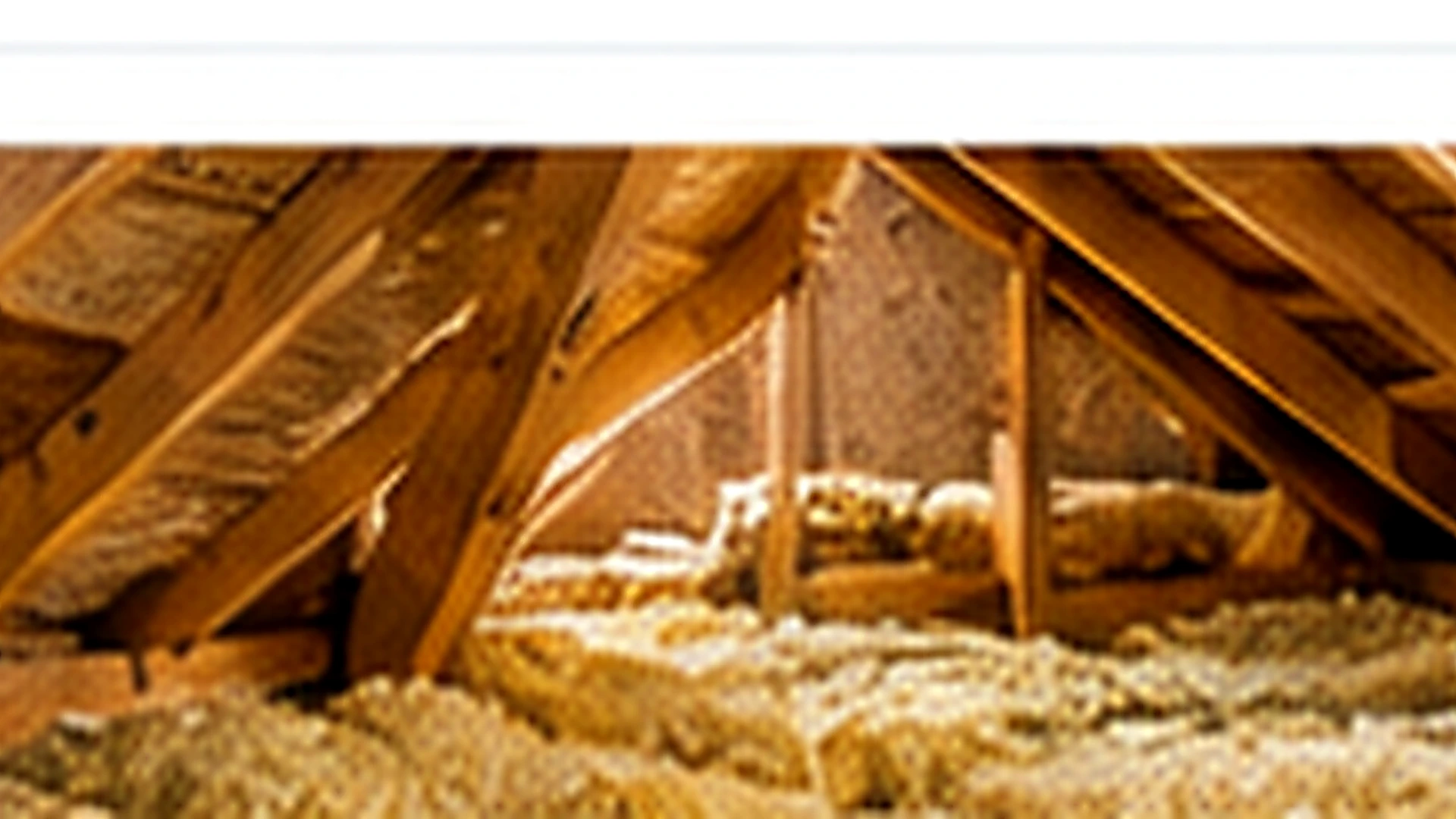
Existing Insulation and Coverage Gaps
Provide safe photos of visible insulation and describe whether it is batts, loose-fill or another material. Thin or uneven areas can be different from insulation that is wet, contaminated or blocking ventilation. Do not disturb suspect old material for the purpose of an estimate.
Fiberglass, Mineral Wool and Other Compatible Materials
The selected product should match the application and manufacturer requirements. Material thickness and layering should not be chosen from generic marketing copy alone. NY-GoodHome does not claim spray-foam or specialty insulation capability unless separately approved.
Attic Access, Storage and Ventilation
Hatch size, walkway/storage use, eave/soffit ventilation and mechanical equipment can affect installation. Insulation should not blindly cover vents, electrical/heat-producing equipment or required service areas.
Air Leakage, Moisture and Condensation Clues
Staining, damp insulation, frost/condensation or roof leaks should be investigated before new material hides the condition. Roof work is separately requires scope review; HVAC/ventilation changes may require specialists.
Insulation Depth and Code or Project Requirements
Building/energy requirements vary by assembly and project. The page can collect existing depth/material but should not advertise one universal R-value or code solution. Any required compliance determination needs project-specific qualified review.
When Roof, Mold or Building-Envelope Issues Come First
Active roof leaks, visible mold, suspect asbestos or structural deterioration should be routed away from ordinary insulation installation. Home Winterization is a broader seasonal page, not a substitute for envelope diagnosis. Use Contact with access and condition information.
Parts of this project may require a licensed, structural or specialist provider. The page keeps those boundaries explicit.