
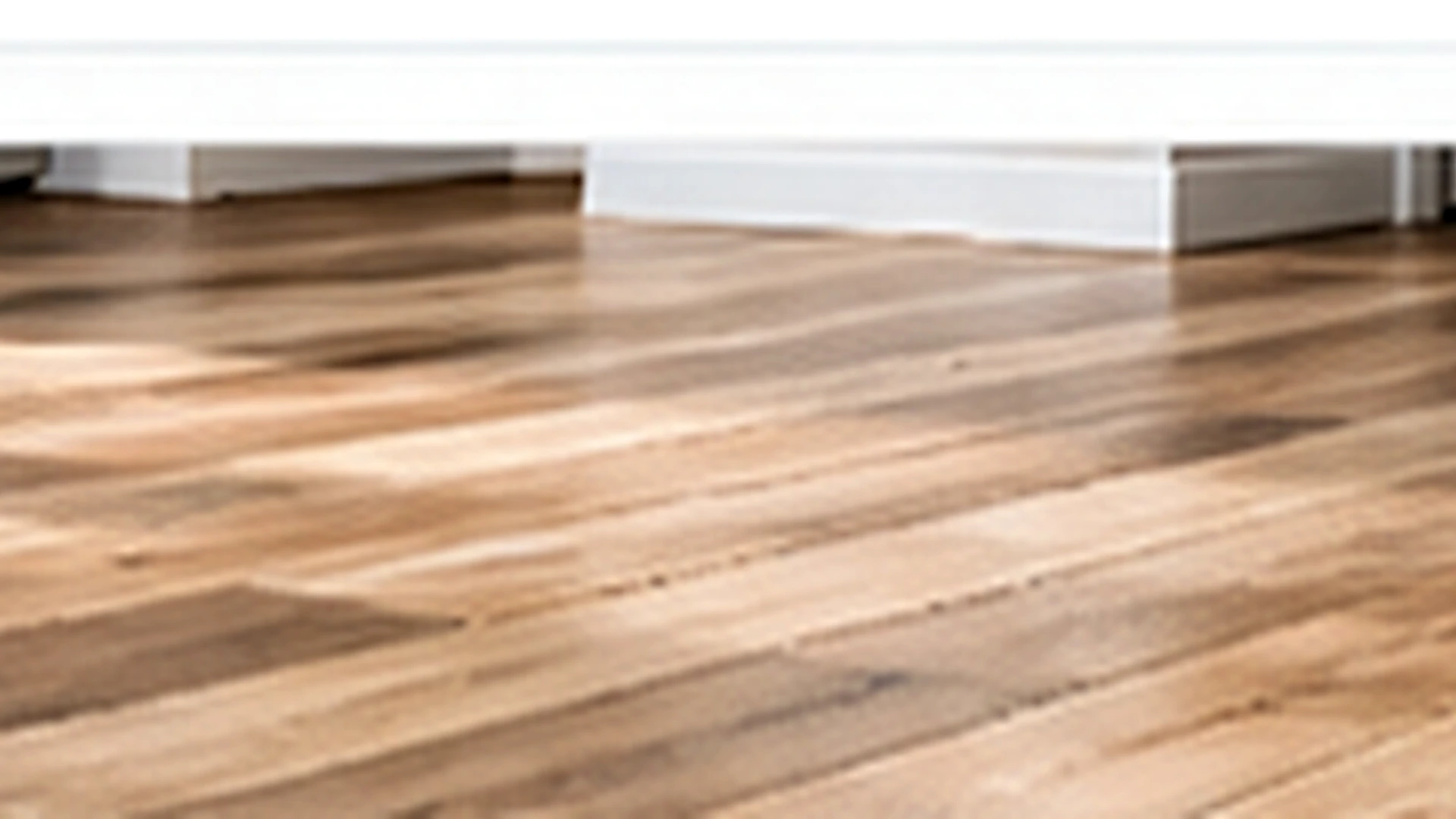
Click-Lock and Floating Laminate Floors
Send the laminate product and installation instructions, including plank dimensions and whether underlayment is attached or separate. Floating floors rely on interlocking edges rather than fastening every plank to the subfloor, so damaged locking profiles or mixed product lots can affect repair options.
Subfloor Flatness and Underlayment
An uneven base can create movement, hollow spots or joint stress. The existing floor/subfloor should be photographed and obvious high/low areas disclosed. Major leveling compounds, damaged subfloor replacement or structural correction may require separate scope.
Expansion Gaps, Doorways and Transitions
Floating floors need perimeter/transition details that follow product instructions. Door jambs, thresholds and adjoining materials can require trimming or transition profiles. Baseboard or shoe molding may also be affected.
Replace Damaged Planks vs Reinstall a Larger Area
A plank in the middle of a click-lock floor can be difficult to replace without disassembling from an edge, depending on product and layout. Send the damage location and whether matching spare material is available before assuming a one-plank repair.
Moisture or Swelling and Underlying Causes
Swollen edges or buckling can indicate moisture, lack of expansion space or subfloor problems. The page should not promise that replacing visible planks will fix an active moisture source.
Laminate vs Vinyl or Wood Flooring
If the floor is LVP/LVT, use Vinyl Flooring Installation & Repair; real wood uses Wood Flooring Installation & Repair. Send room, product, transition and baseboard photos through Contact.
Before Laminate Work Is Scheduled
Provide the product carton or link, plank dimensions, room size, underlayment type and whether matching spare planks are available. Photograph doorways, transitions and any swollen/buckled areas. State whether furniture or appliances must remain in the room. If moisture is active or the subfloor feels soft/uneven, that underlying issue should be resolved before a floating floor is treated as a straightforward install or repair.