
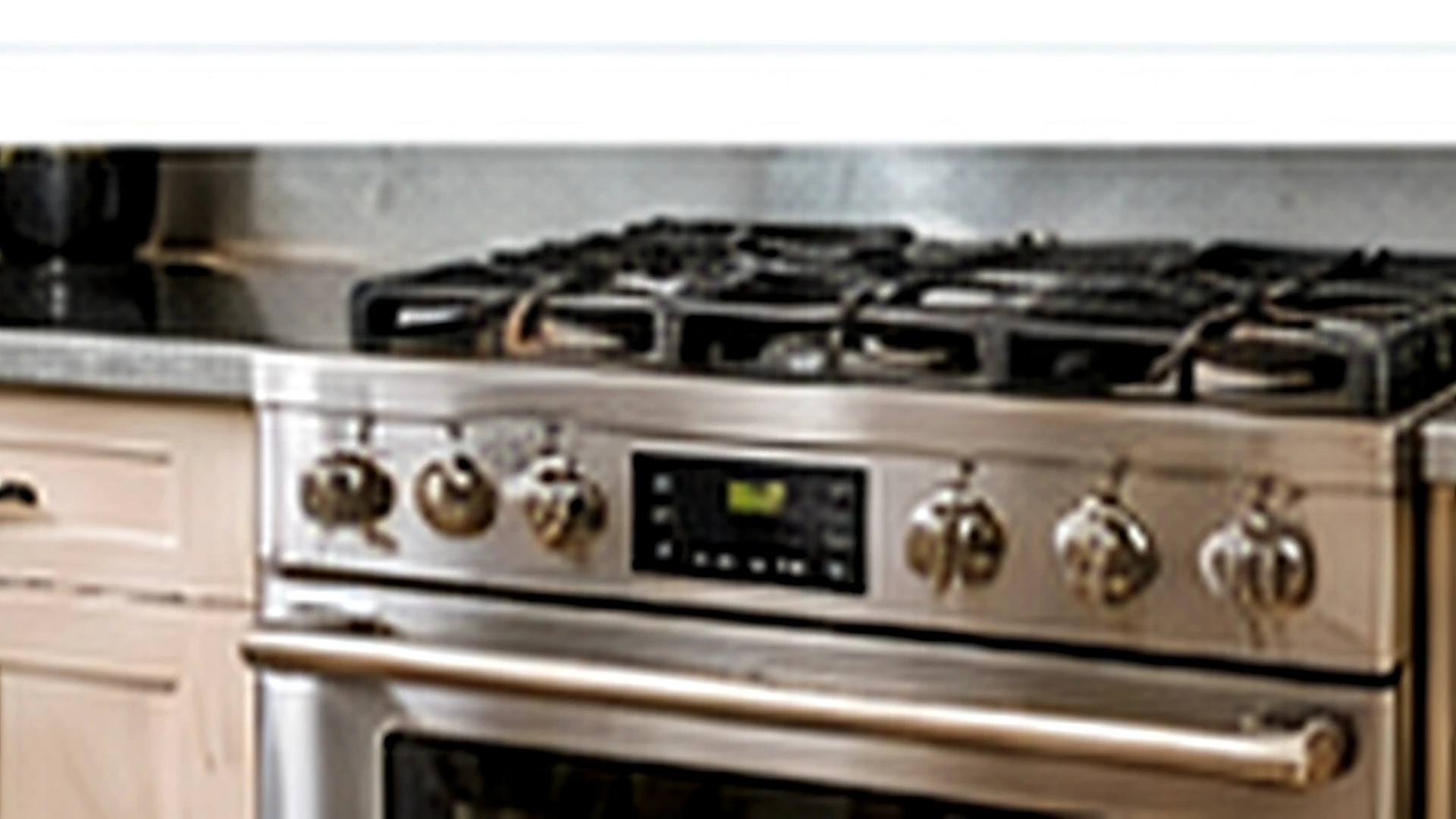
Gas vs Electric Heating Equipment
Identify the fuel source and equipment type from information you already have or a safely visible label. Gas and electric heating need different diagnostic work; do not open the equipment to identify internal components.
Ignition, Blower and Control Symptoms
Note whether the system starts, whether the blower runs and what the thermostat or error display shows. These observations help plan a visit, but ignition, control and internal electrical testing belong to qualified technicians.
No Heat, Short Cycling and Unusual Noise
No heat can become urgent in cold weather. Explain when heating stopped and whether the fault affects the whole property or one area. Repeated cycling and noise need diagnosis; do not bypass controls or attempt gas or electrical repairs.
Repair vs Replacement
Equipment age, condition, available parts and venting or installation issues affect the repair-or-replace decision. Replacement planning should include professional sizing and an assessment of the existing system and connections.
Fuel, Venting and Safety-System Boundaries
Fuel lines, combustion equipment, flues and electrical controls may involve more than one qualified trade. The work plan should identify who handles each task and preserve all manufacturer safety controls.
Qualified HVAC and Gas Trade Requirements
HVAC Services, Air Conditioning and Mini-Split cover related systems. Confirm the equipment and fuel type when discussing a visit, and use the phone number in Contact details for your heating request.
Project Planning
Discuss the exact equipment, symptoms and access before scheduling. A replacement project also needs a plan for sizing, venting, fuel or electrical connections, removal and any required approvals. Confirm the visit timing and proposed charges directly, especially when the home has no heat.
What Customers Can Safely Document
Keep the furnace or air-handler model, thermostat display, fuel type, error code and the time heating last worked in your notes. Do not repeatedly reset safety devices, open combustion chambers or test gas or electrical components. Gas odor, smoke or a carbon-monoxide alarm calls for immediate emergency action, not a routine repair appointment.
If you smell gas, see smoke or hear a carbon-monoxide alarm, leave the area and seek emergency help from a safe location. Do not keep operating the system or try to defeat its safety controls.