
Appliance Type, Brand and Model
Record the exact appliance type, brand and model from a safely accessible label. Model-specific parts and service information determine what can be repaired, especially for older or discontinued equipment.
Symptoms, Error Codes and When the Problem Started
Describe error codes, unusual noises, visible leaks or a failure to heat or cool. Note when they occur without running an unsafe appliance to reproduce the problem. Do not open electrical panels or sealed refrigeration components.
Refrigerators, Laundry and Dishwashers
Refrigerators may need sealed-system diagnosis; washers and dishwashers combine water connections with electrical controls; dryers may use gas or electric heat. Tell us the appliance type and fuel source so these differences are included in planning the repair.
Ovens, Ranges and Cooking Appliances
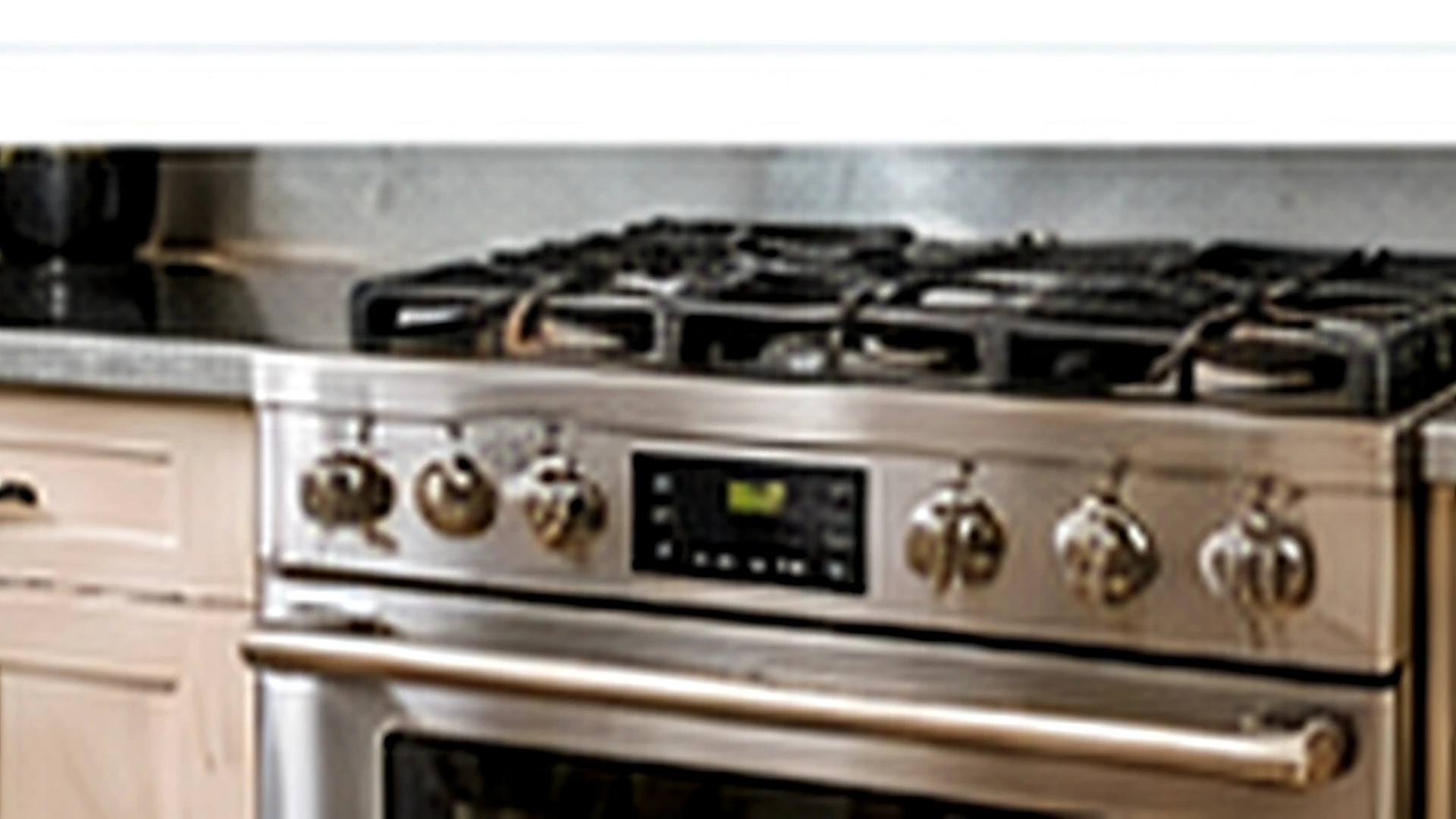
Ovens and ranges can have faults in ignition, gas controls, heating elements or electronic controls. Identify whether the appliance is gas or electric and whether one burner, the oven or the entire appliance is affected. Leave internal testing to a qualified repair specialist.
Repair vs Replacement
A repair decision should weigh the diagnosis, appliance condition, replacement-part availability and the cost of repair against replacement. Check any existing manufacturer warranty before authorizing work, and ask about the terms that apply to the proposed repair.
Parts, Refrigerant, Gas and Electrical Boundaries
Appliance Installation covers fitting replacement equipment, while HVAC Services covers heating and cooling systems. Refrigerant, gas and electrical repair tasks need the appropriate qualified trade. Use the phone number in Contact details to discuss the appliance and its fault.
Project Planning
Before a visit, confirm the appliance category and model, access arrangements and any diagnostic charge. After diagnosis, discuss parts availability, the repair proposal and applicable warranty terms before approving the work. Built-in units may need separate removal and finish-repair arrangements.
What Customers Can Safely Document
Keep a note of the model and serial number if safely accessible, displayed error code, failed cycle, unusual sounds and visible water. Do not bypass switches, remove safety covers or disassemble gas or refrigeration components. Mention any previous repair and whether the appliance is still under warranty.
Stop using an appliance with smoke, a burning smell, damaged wiring or unsafe movement. For gas odor or another immediate hazard, leave the area and seek emergency help rather than waiting for a routine repair appointment.